Human-in-the-Loop AI Agents: Durable Pause & Resume Guide
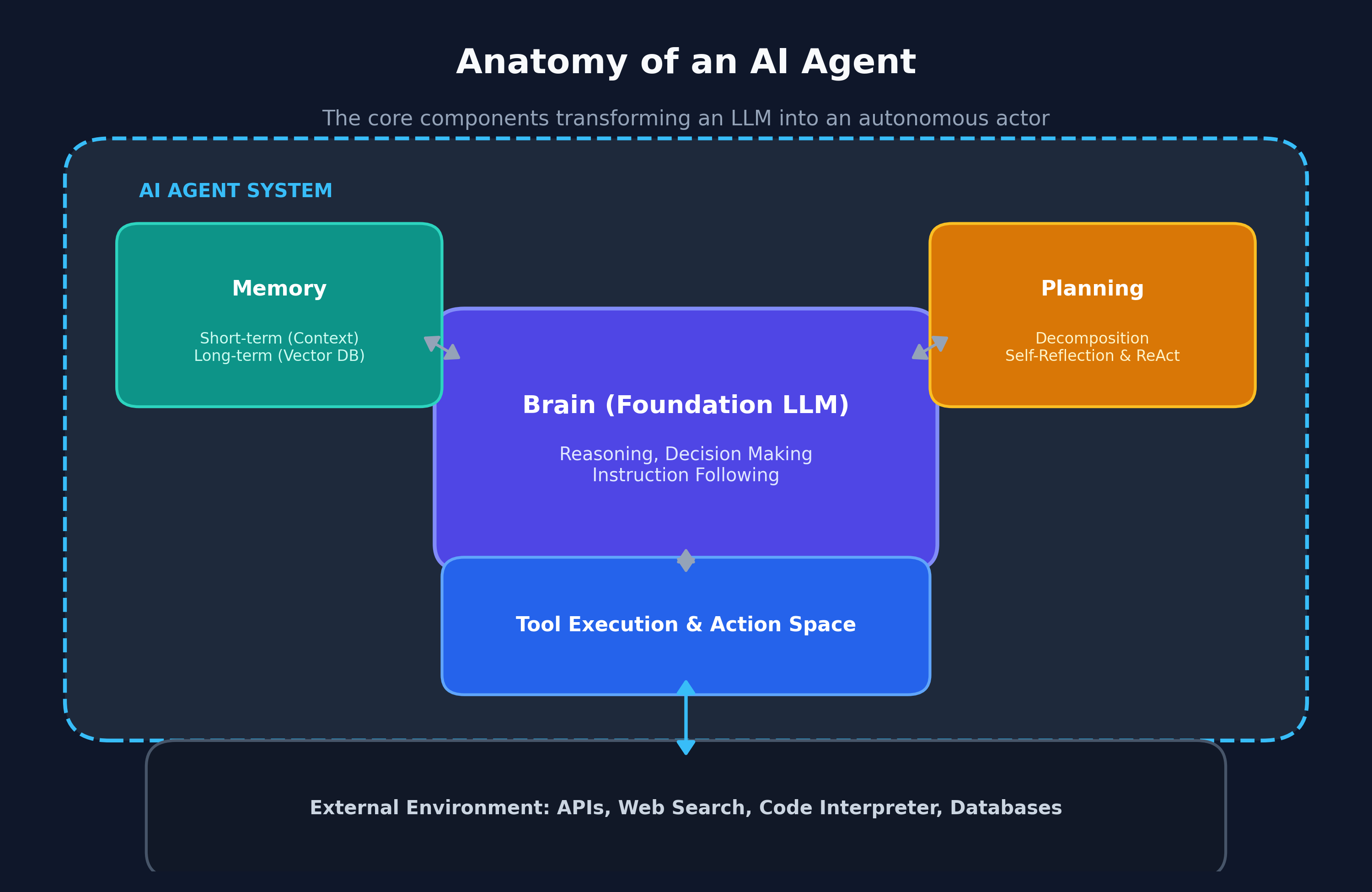
The Problem: Unconstrained Autonomy and the Danger of Silent Failures
As autonomous AI agents take on operational roles—harvesting commercial leads, managing marketing outreach, and reconciling financial ledgers—developers encounter a fundamental engineering tension: autonomy vs. safety.
Giving an agent full autonomy to execute external API calls and persistent database writes introduces acute operational hazards:
- Irreversible External Side Effects: In read-only tasks like research and AiFetchly Web Scraping, an agent hallucination produces inaccurate text that an engineer can discard. In write-heavy tasks (e.g., sending cold outbound emails to 500 prospects, deleting records, or modifying production DNS configurations), an unconstrained agent mistake causes immediate financial, reputational, or legal damage.
- The Failure of Synchronous Blocking (
readline): In simple command-line prototypes, developers handle human approval by halting execution with a synchronous terminal prompt (input("Approve action? y/n")). In distributed production systems, this is unworkable. A human reviewer might take 15 minutes, 3 hours, or two days to approve a queued action. Holding open an active HTTP server connection or in-memory process exhausts thread pools, risks connection timeouts, and loses all execution progress if the host server restarts. - The “Re-Execution Tax” of Naive Restarts: When an un-checkpointed agent workflow is interrupted or crashes while waiting for human input, traditional runtimes must restart the task from turn one—repeating expensive tool calls, burning token budgets, and risking duplicate mutations.
The Solution: Durable Execution and Checkpoint-Based HITL
To safely govern autonomous systems across prolonged real-world review cycles, modern agent runtimes deploy Durable Execution with Human-in-the-Loop (HITL) Checkpointing. Pioneered by workflow orchestration engines like Inngest, Temporal, and LangGraph, this architecture treats the agent loop as an asynchronous, suspendable state machine.
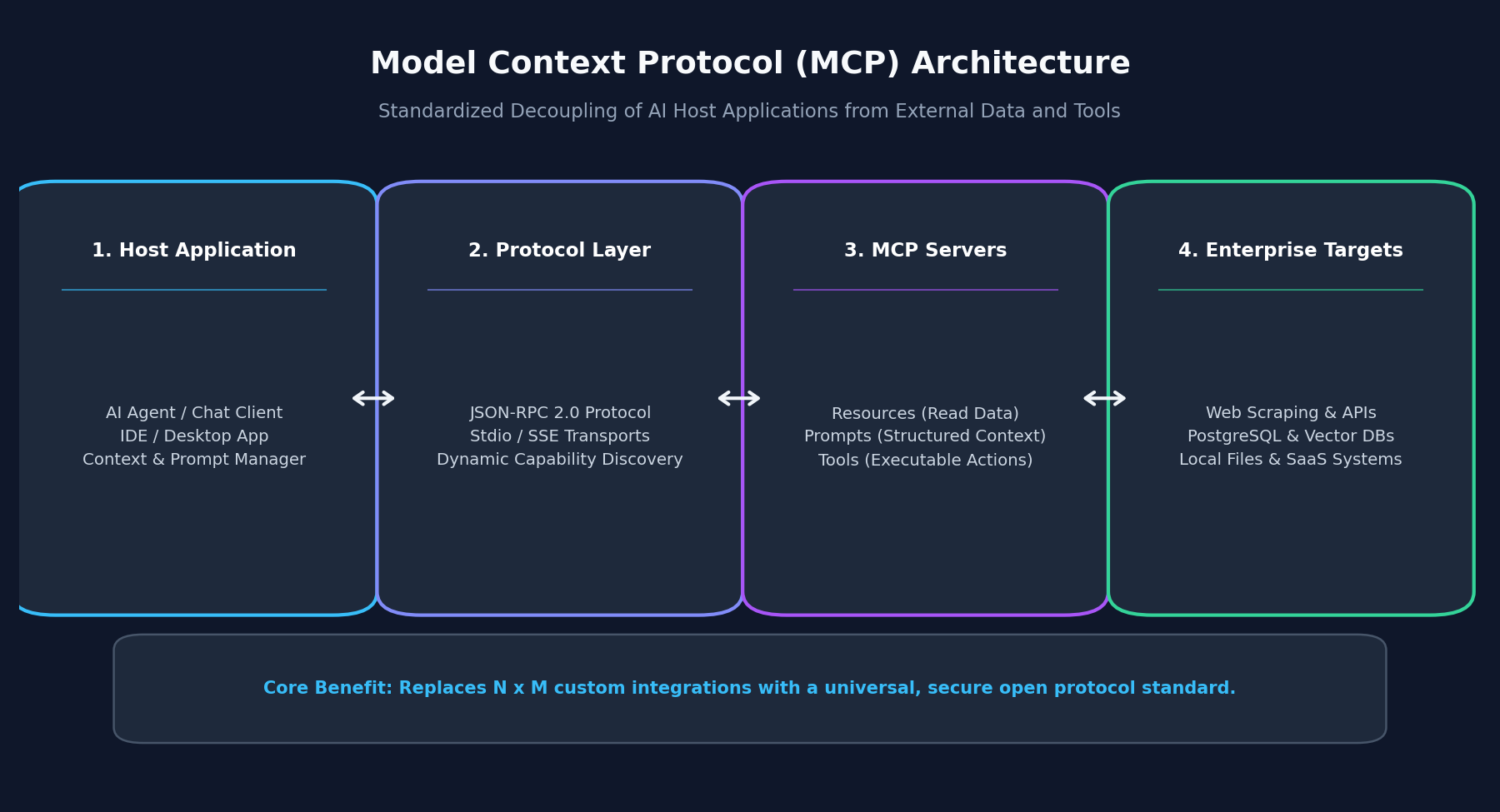
The Architecture: Decoupled Pause and Resume
Instead of keeping memory processes alive while awaiting human input, durable HITL decouples the agent lifecycle into deterministic state transitions:
- Policy-Based Action Interception: When the agent’s planner emits a tool call, the runtime evaluates the tool’s risk profile against a predefined governance policy (e.g., Read-only = Automatic; State Mutation = Approval Required).
- Deterministic State Checkpointing: If an action requires human verification, the runtime captures the entire execution context—message history, tool arguments, active scratchpad, and execution pointer—and serializes it to a persistent database (e.g., PostgreSQL or local SQLite).
- Graceful Process Suspension: The running process terminates immediately, releasing compute threads and memory. The task status transitions to
SUSPENDED_AWAITING_APPROVAL, and an event notification is dispatched to human reviewers (via email, Slack, or desktop UI). - Asynchronous Hydration and Resumption: When the human reviewer approves, rejects, or modifies the action parameters, a webhook rehydrates the agent state from the database. The agent resumes execution at the exact step where it was paused, executing the verified action without re-running earlier steps.
Comparing Agent Autonomy Paradigms
| Dimension | Fully Autonomous Agent | Synchronous Blocking Prompt | Durable Checkpoint HITL |
|---|---|---|---|
| Human Oversight | Zero (fully unattended) | Manual CLI review only | Configurable, risk-tiered policy gates |
| System Uptime Liability | High (silent mutation errors) | Fails on process kill or server restart | Zero (persisted state survives restarts) |
| Idle Resource Consumption | Negligible | High (holds thread/connection open) | Zero (process terminates while paused) |
| Review Window Duration | Not applicable | Seconds to minutes | Hours, days, or indefinite |
| Parameter Intervention | None | Binary approve/deny in console | Human can edit tool arguments before dispatch |
Implementation: Building an Interruptible Pause-Resume Agent Loop
Let us implement an interruptible, checkpoint-based Human-in-the-Loop agent manager in TypeScript using Zod and a stateful persistence layer.
Step 1: Define Schemas for Risk Tiers and Checkpoint States
Establish strict contracts for tool risk levels and serialized execution checkpoints:
import { z } from 'zod';

export const ToolRiskLevelSchema = z.enum(['low', 'medium', 'high']);
export type ToolRiskLevel = z.infer<typeof ToolRiskLevelSchema>;

export const AgentCheckpointSchema = z.object({
  taskId: z.string().uuid(),
  status: z.enum(['running', 'awaiting_approval', 'completed', 'rejected']),
  currentTurn: z.number(),
  conversationHistory: z.array(z.any()),
  pendingAction: z
    .object({
      toolName: z.string(),
      parameters: z.record(z.string(), z.any()),
      riskLevel: ToolRiskLevelSchema,
      proposedReasoning: z.string(),
    })
    .nullable(),
  createdAt: z.number(),
  updatedAt: z.number(),
});

export type AgentCheckpoint = z.infer<typeof AgentCheckpointSchema>; Step 2: Implement the Policy Gate and State Interceptor
Inspect candidate tool calls and determine whether to execute immediately or suspend the workflow:
export class AgentPolicyGate {
  private highRiskTools = new Set([
    'send_outbound_email',
    'delete_database_record',
    'charge_payment',
  ]);

  public evaluateRisk(toolName: string): ToolRiskLevel {
    if (this.highRiskTools.has(toolName)) {
      return 'high';
    }
    return 'low';
  }

  public shouldInterrupt(riskLevel: ToolRiskLevel): boolean {
    // High-risk operations require mandatory human authorization
    return riskLevel === 'high';
  }
} Step 3: Implement the Checkpointed Execution Runtime
Build the durable agent runtime that serializes state to disk and resumes execution upon receiving an approval signal:
import { AgentCheckpoint, AgentPolicyGate, ToolRiskLevel } from './schemas';

export class DurableAgentRuntime {
  private policyGate = new AgentPolicyGate();
  // Simulated persistent store (e.g., SQLite or PostgreSQL)
  private checkpointStore = new Map<string, AgentCheckpoint>();

  public async initiateOrContinueTask(
    taskId: string,
    history: any[] = [],
  ): Promise<{ status: string; output?: any }> {
    console.log(`[Runtime] Processing Task ${taskId}...`);

    // Simulated model decision: Agent plans to send an outbound email
    const plannedTool = {
      name: 'send_outbound_email',
      args: { recipient: 'prospect@acme.com', subject: 'Product Partnership' },
      reasoning: 'Extracted qualified contact details and synthesized custom pitch.',
    };

    const risk = this.policyGate.evaluateRisk(plannedTool.name);

    if (this.policyGate.shouldInterrupt(risk)) {
      // 1. Serialize checkpoint to persistent storage
      const checkpoint: AgentCheckpoint = {
        taskId,
        status: 'awaiting_approval',
        currentTurn: 3,
        conversationHistory: history,
        pendingAction: {
          toolName: plannedTool.name,
          parameters: plannedTool.args,
          riskLevel: risk,
          proposedReasoning: plannedTool.reasoning,
        },
        createdAt: Date.now(),
        updatedAt: Date.now(),
      };

      this.checkpointStore.set(taskId, checkpoint);
      console.log(
        `[PAUSE] Task ${taskId} suspended. Action '${plannedTool.name}' requires approval.`,
      );

      return { status: 'AWAITING_HUMAN_APPROVAL' };
    }

    return { status: 'COMPLETED', output: 'Low-risk task executed automatically.' };
  }

  public async resolveHumanApproval(
    taskId: string,
    decision: 'approved' | 'rejected',
    adjustedParameters?: Record<string, any>,
  ): Promise<{ status: string; result?: string }> {
    const checkpoint = this.checkpointStore.get(taskId);
    if (!checkpoint || checkpoint.status !== 'awaiting_approval') {
      throw new Error(`Invalid checkpoint state for Task ${taskId}`);
    }

    if (decision === 'rejected') {
      checkpoint.status = 'rejected';
      checkpoint.updatedAt = Date.now();
      return { status: 'REJECTED' };
    }

    // 2. Rehydrate state and execute verified action
    const finalParams = adjustedParameters || checkpoint.pendingAction?.parameters;
    console.log(
      `[RESUME] Task ${taskId} rehydrated. Executing '${checkpoint.pendingAction?.toolName}' with:`,
      finalParams,
    );

    checkpoint.status = 'completed';
    checkpoint.pendingAction = null;
    checkpoint.updatedAt = Date.now();

    return {
      status: 'COMPLETED',
      result: `Action executed successfully following human approval.`,
    };
  }
} Production Best Practices for HITL Workflows
When deploying Human-in-the-Loop agent systems at scale:
- Support Parameter Mutation, Not Just Binary Yes/No: Reviewers often want to fix a minor typo in an email subject or adjust a budget cap before approving. Allow reviewers to patch tool arguments in-flight.
- Implement Expiration and Auto-Escalation: If a checkpoint remains pending for more than 48 hours without human review, trigger an automated escalation event or gracefully cancel the task with an audit log entry.
- Strict Idempotency Keys: Every tool execution should register a unique idempotency key tied to the checkpoint turn ID, preventing duplicate real-world side effects if network retries occur during resumption.
Conclusion
Human-in-the-Loop is not a temporary concession to current AI limitations—it is a permanent architectural foundation for enterprise automation. By deploying durable checkpointing, policy-based action gates, and asynchronous pause-resume loops, engineering teams can empower AI agents to handle complex workflows while ensuring mission-critical decisions remain safely governed by human oversight.